Canadians Enjoy FREE Shipping & Handling for a limited time!
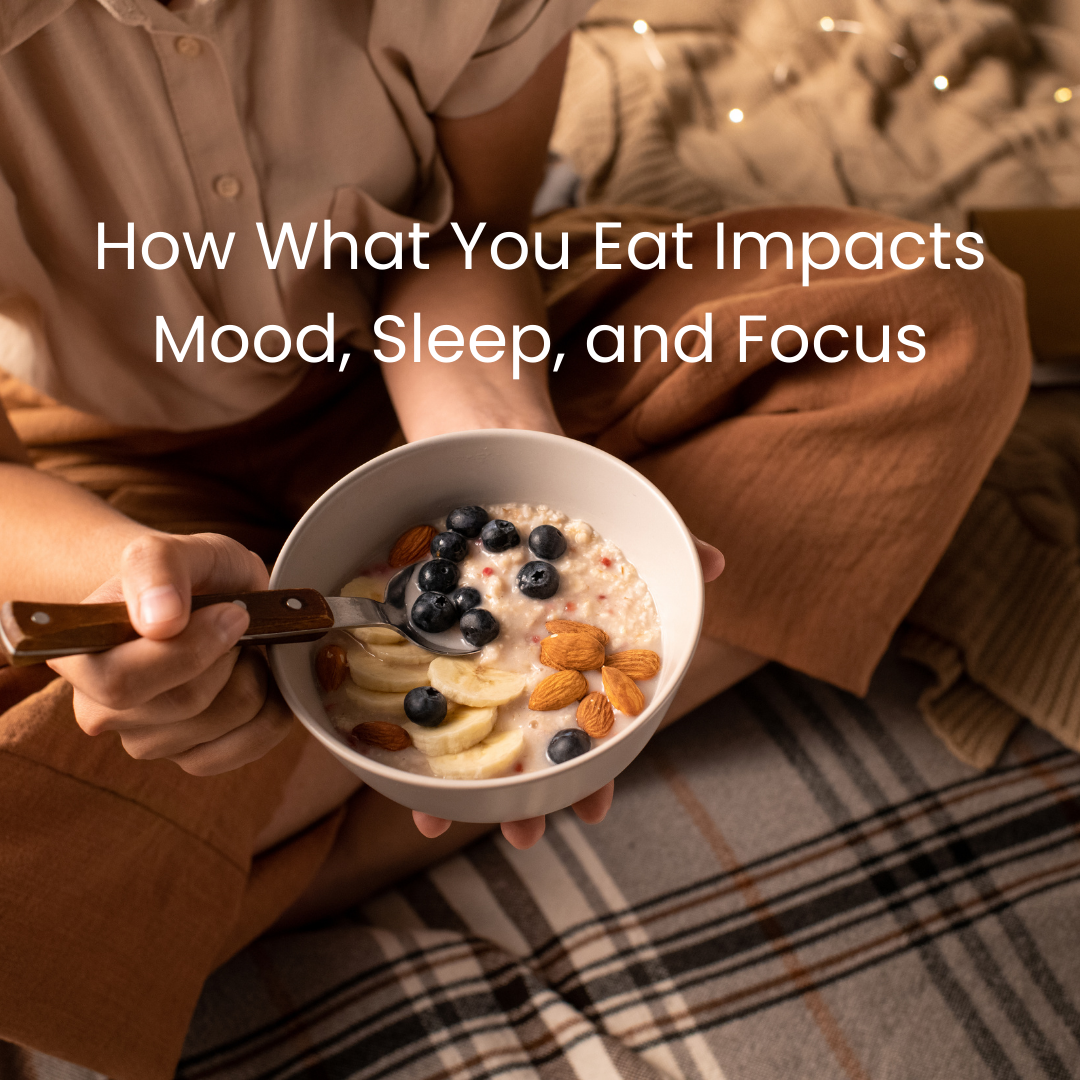
If mood, focus, or sleep feel off, nutrition is often part of the picture. Not as a standalone fix, but as a foundational input that shapes how the rest of the system functions.
How you eat can influence sleep, concentration, and emotional steadiness long before it affects physical changes.
The Peptide PhDs Podcast recently examined the ways nutrition influences sleep and emotional health within the larger systems.
Every meal supplies the building blocks the body uses to function. You’re providing raw materials for:
This is one reason diet changes often show up first in how you feel, not how you look.

In research comparing different eating patterns, diets built around whole foods, variety, and minimal processing were associated with better mood and sleep quality.
What stood out wasn’t a single “perfect” diet.
It was consistency, nutrient density, and lower reliance on ultra-processed foods.
From a biochemical standpoint, this makes sense. Stable blood sugar, lower inflammation, and adequate micronutrients all support the systems involved in emotional regulation and sleep cycles.

One interesting thread from the research discussed on the podcast was chronotype - whether someone naturally functions best early in the day or later at night.
Early chronotypes tended to:
This doesn’t mean everyone should force early mornings. It highlights how nutrition, sleep timing, and lifestyle tend to reinforce one another, for better or worse.

One of the clearest takeaways from the conversation was this:
The best diet is the one that makes you feel good.
That usually means:
Paying attention to how food affects you over time matters more than following rigid rules.

Quality sleep is your body’s best recovery tool. Learn how sleep needs shift by age, how many hours are recommended at different life stages, and why rest is one of the simplest ways to support healthy aging.
read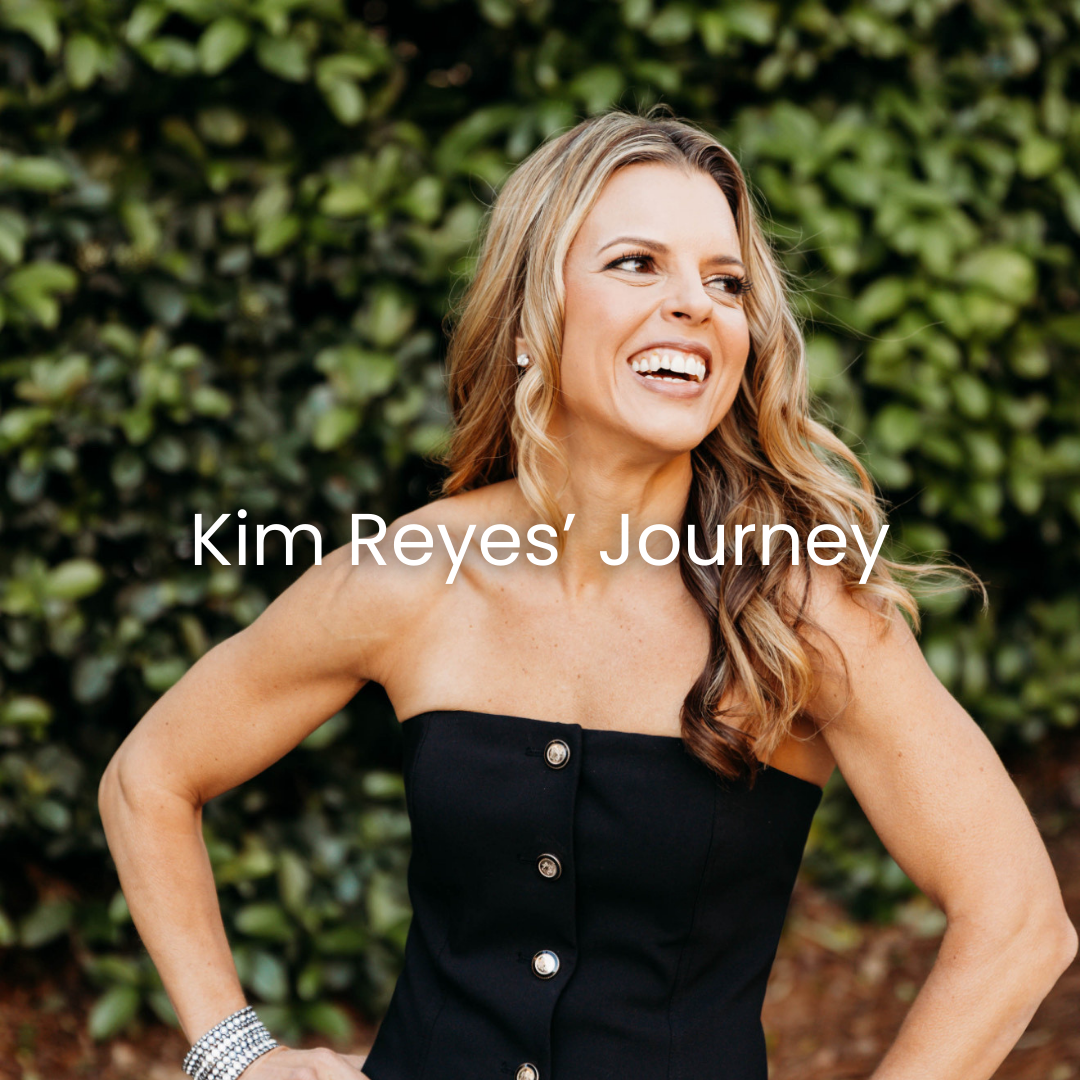
A powerful story of strength and resilience—how MAKE Wellness products helped her recover, energize, and find hope as a caregiver.
read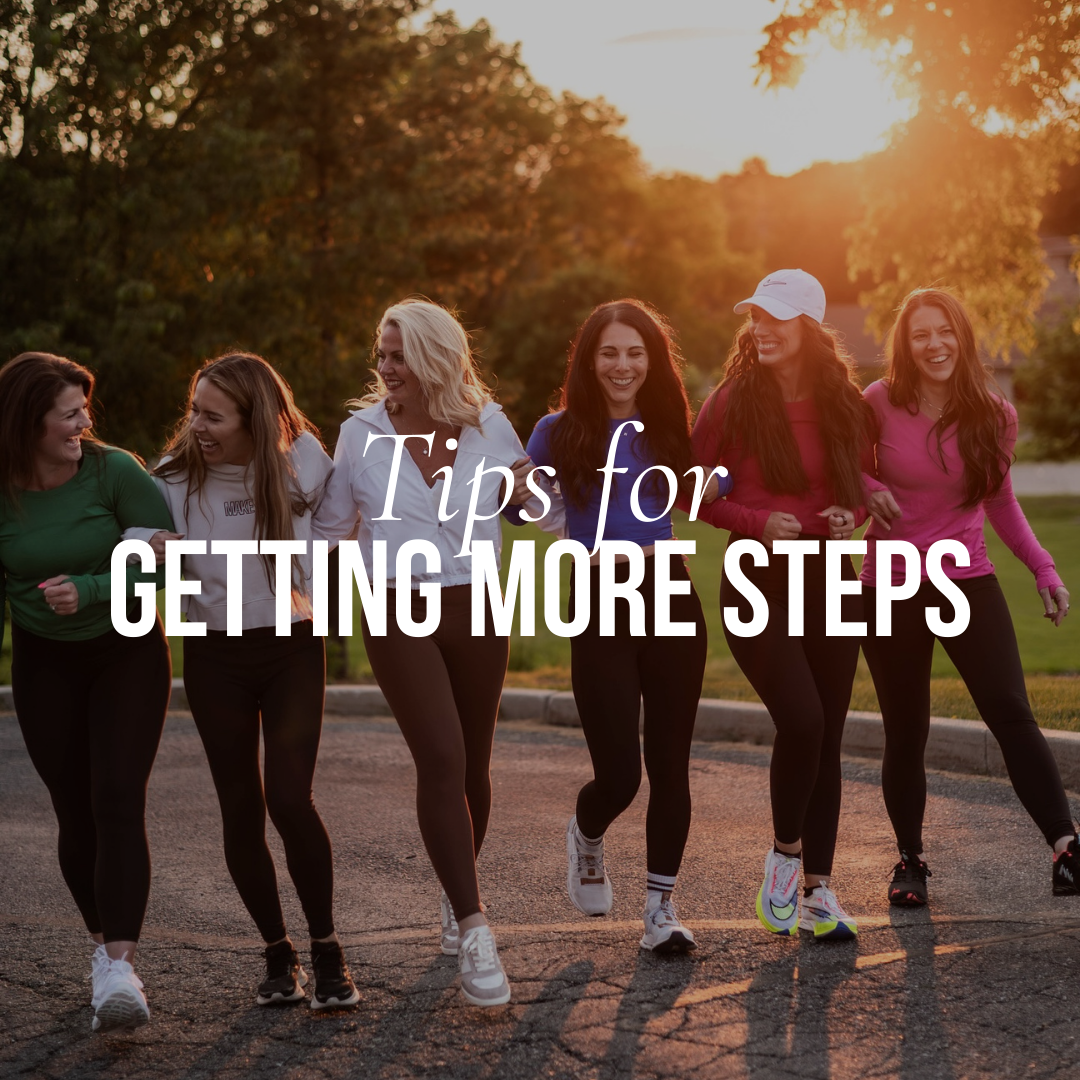
Movement doesn't need to be dramatic to be effective. More steps equal more energy, better sleep, and a body that feels good moving through the day.
read
